ARTIST JOURNEY

The Beginning

I didn’t have the language for it growing up, but I had a clue. My dad had a camera, and I was fascinated by the simple ritual of it. He would lift that little box, point it at our everyday lives, and snap. The moment looked ordinary while it happened. A week later, after the film came back from the local drugstore in its small envelope, the ordinary had been transformed into something permanent. It was proof that time could be held.

I didn’t know it then, but I was learning my first lesson about photography.

The camera isn’t just a recorder. It’s a way of saying, “This mattered.”

The First Spark˙✦

In high school, that spark became a flame.

As the primary yearbook photographer, I wasn’t just taking pictures — I was documenting an entire world, from big moments to the quiet ones that often go unnoticed.

I later attended an intensive photography camp, where everything accelerated. Not long after, my work was noticed by a local portrait photographer who ran a studio. He offered me my first real opportunity, processing thousands of images and immersing me in the craft from the ground up.

The Long Pause

Then life shifted.
Photography became something I did occasionally — travel, memories, nothing more. I moved to Colorado. The landscapes were incredible. And for a while, inspiration came easily. Then something unexpected happened.
I got bored.
Not because the world wasn’t beautiful — but because my work didn’t feel alive anymore.

“I wasn’t making my photographs.”

 ❝ Most people think of darkness as the end of the day. For me, darkness has always felt like an invitation.❞‬
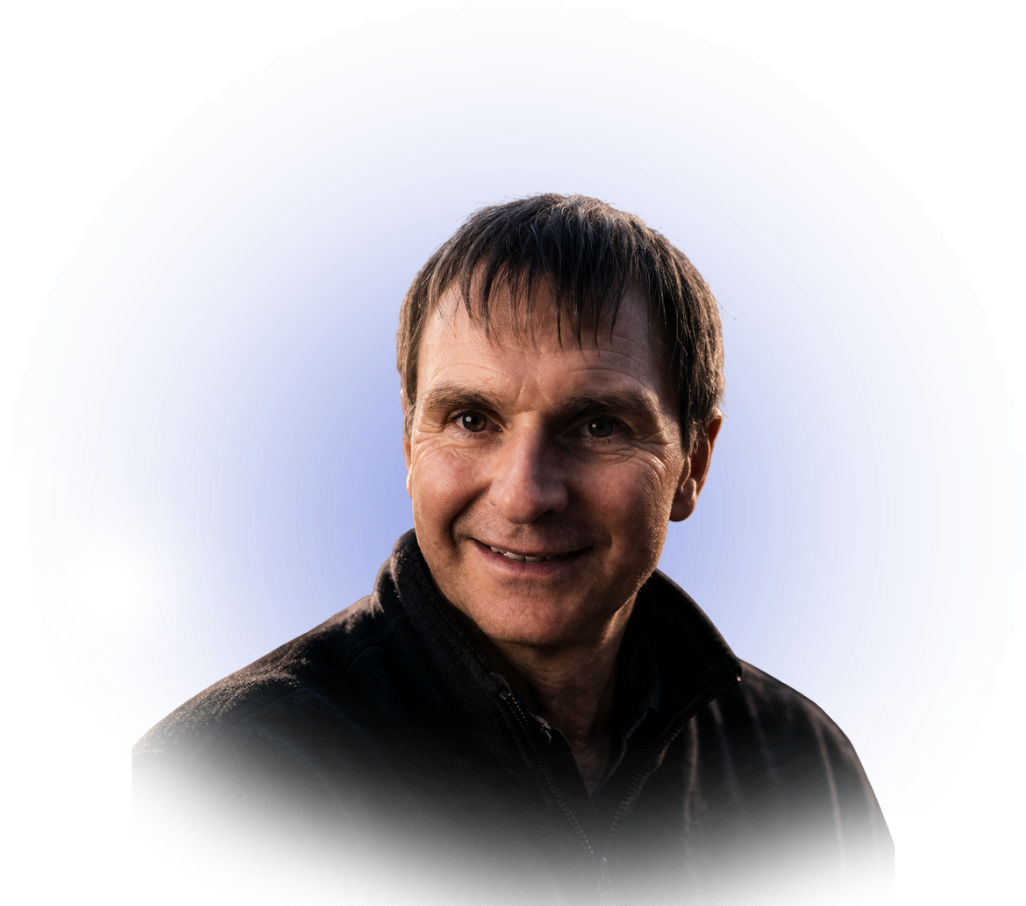
— Jeff Maresh

the return

Around 2012, I picked up a camera again, hoping to find the spark. I explored familiar places and new ones, but the same feeling returned.
I could make good images — even beautiful ones — but they didn’t feel like mine.

And yet I kept returning. Something in me wasn’t finished.

The Night Opened a Door

Then I discovered night photography.

What struck me wasn’t the technique — it was the feeling.

Quiet. Expansive. Reverent.
It felt like stepping outside of everyday life.
That’s when everything clicked.
Because night photography wasn’t just a new genre. It was a new relationship with the world.

At night, the rules change. In daylight, the world is already fully visible, and the photographer’s job is mostly editing. Moving closer or farther, shifting the frame, zooming in and out, deciding what to exclude so the subject can stand out. But at night, the landscape isn’t presenting itself all at once. It’s reduced to silhouette and suggestion, pitch black forms waiting in the dark. That’s where a different kind of freedom opens up. I’m not only choosing composition. I’m choosing revelation. I decide what the viewer gets to see, what stays hidden, and what carries the emotional weight. With light in my hand, I can sculpt the scene the way a painter shapes a canvas, one intentional highlight at a time.
Shopping Basket
0
    0
    Your Cart
    Your cart is empty

    ARTIST STATEMENT

    Night Photography, Desert Landscapes, Abandoned Places

    Most days, the world is loud even when it’s quiet. Screens glow, schedules tighten, and we move through life connected to everything yet often detached from ourselves. Out in the desert at night, that noise falls away. The landscape stills, the horizon opens, and darkness becomes an invitation to return to what is real.

    I create photographs in remote deserts and abandoned places using long exposures and carefully directed light. I reveal ghost town remnants, salt flats, dunes, skeletal trees, and weathered structures not only for their visual impact, but for what they carry: memory, time, and endurance. In the dark, what’s essential rises to the surface.

    For decades, I worked in information technology, a world built on speed, efficiency, and constant output. I was professionally successful but personally vacant, living almost entirely in the analytical. The desert became the place where that quiet disconnection showed itself clearly, and where a deeper presence could return, a shift many people recognize in their own way when life becomes too fast and too externally driven.

    My work explores the contrast between modern restlessness and desert stillness. Ghost towns speak of simpler rhythms and lives once lived close to the ground, now overtaken by time and weather. The desert asks for nothing and rewards no hurry, making room for reflection and the part of a person modern life often sidelines.

    Light is how I translate that experience. I shape what is revealed and what remains hidden, while the sky serves as an emotional instrument. Star trails mark time through pattern and line, distant stars suggest timelessness, and color reinforces mood: cool blues for calm, warm earth tones for memory and decay, brief greens for life that appears and yields again.

    Each image is a constructed experience, part documentation and part interpretation. My work is an invitation to slow down, step into quiet, and feel something real. If it succeeds, it becomes more than a picture of the desert at night. It becomes a doorway back to stillness.